One of the most important process when it comes to working with metal is welding. We join two pieces of metal together with welding. It melts the edges of the metal pieces and cools them down, so that they solidify. This requires a lot of skill because it must be a strong and safe weld. Of course, this would be compromised if the weldings are not done correctly and the metal pieces will be separated. And why new technologies such as adaptive and autonomous robotic welding are gaining popularity in factories where things are made.
Cool robot applications of welding are in adaptive welding technology, for instance, the MINYUE robotic welding arm. What makes these robots unique are that they have the ability to switch how they weld based on the materials they are using. If they are welding different kinds of metals, for instance, they can vary how quickly they move, how hot they burn the weld and even the angle of the welding torch. This ability to self-correct helps ensure that every weld is performed properly. This is crucial for creating strong welds, for example in the car and building industries where safety and precise quality measures are critical.
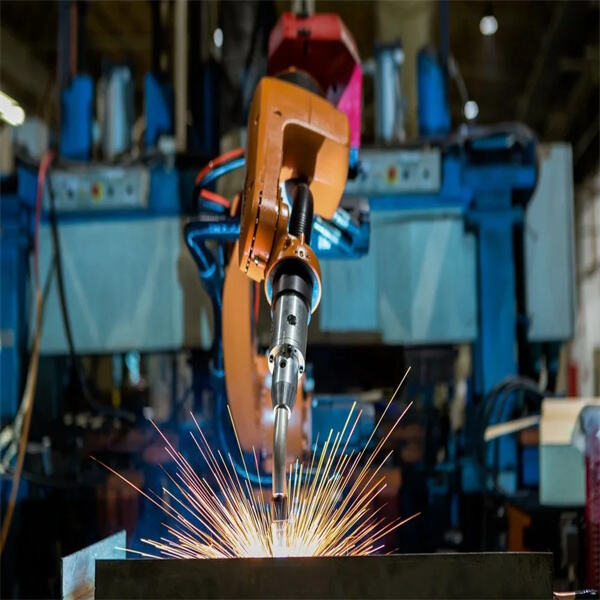
Next up, let’s discuss the automated robotic welding. These are self-operating robots that do not require a person to operate them. This is cool because it means they can be programmed to run around a metal piece making a handful of welds without stopping. In the old days, human welders had to take breaks to adjust things like welding speed or the angle of the welding torch. But with autonomous welding robots, they can work around the clock. As a result, this update shows factories how others can save tons of time and cash while being able to make high specification welds as well.
Welding process is one of the most critical and important production technologies in factories. Among shining features is that welds are more consistent. This suggests that if a weld is created, it will be more likely to be the same as the last one. Because adaptive robots adjust their MINYUE automated robotic welding systems processes to the various metals, it is easier to ensure that each weld is correct. This is extremely important to ensure the safety and robustness of products to end users. Moreover, adaptive welding systems have the capability to outpace human welders in terms of speed and efficiency. As a consequence, factories have faster production times and reduced costs, which is positive for market operations.
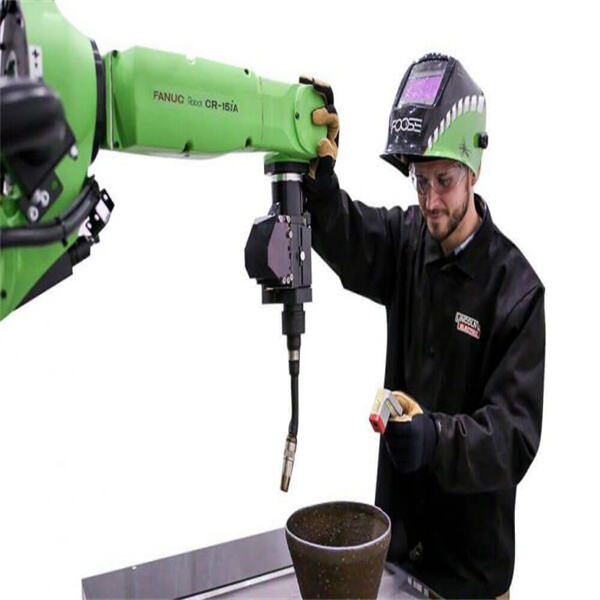
Let us not overlook how accurate robotic welding automation can be. These MINYUE robots are designed to perform highly accurate welds, even on small or delicate pieces. Such precision is critical for the aerospace and electronics detectors. In these fields, a mistake as small as a bead of weld not being perfect can cause a product to not function correctly or fail entirely. With the use of autonomous robots, manufacturers can guarantee that every weld is performed with utmost precision. That leads to better products, happier customers, and people trusting the stuff they buy.
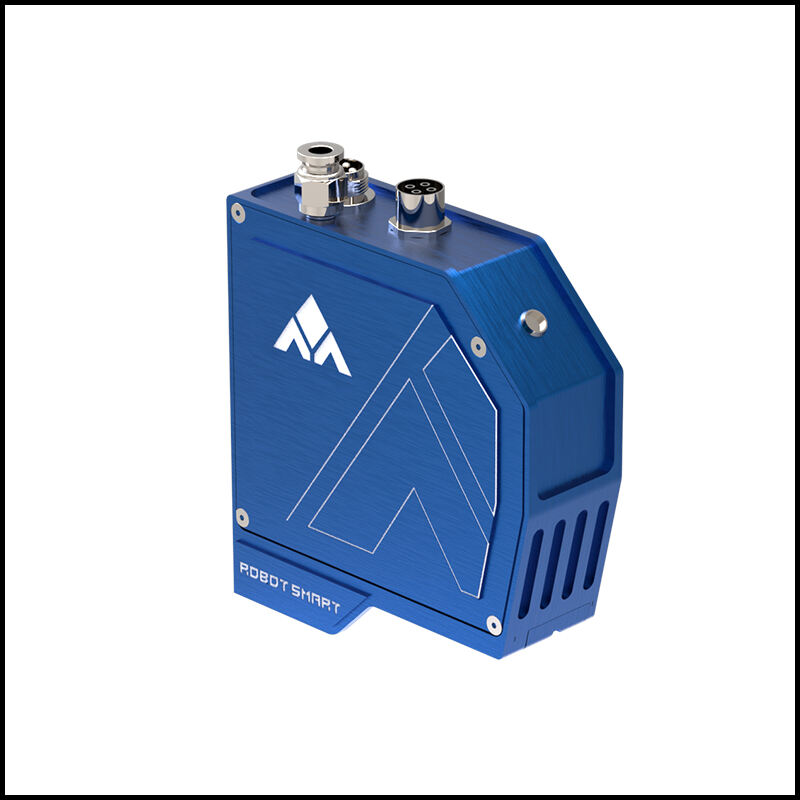
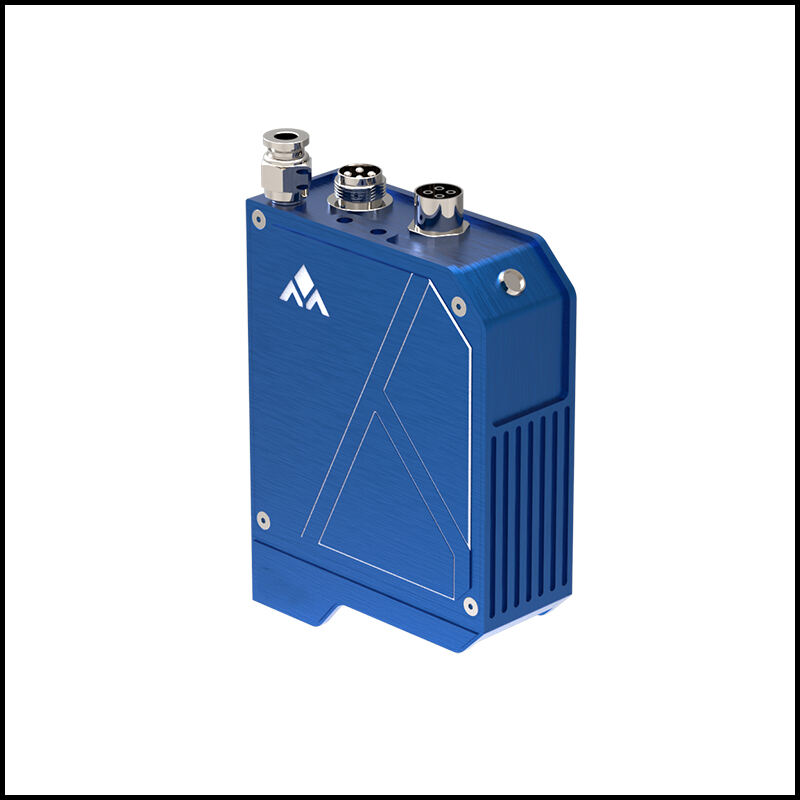
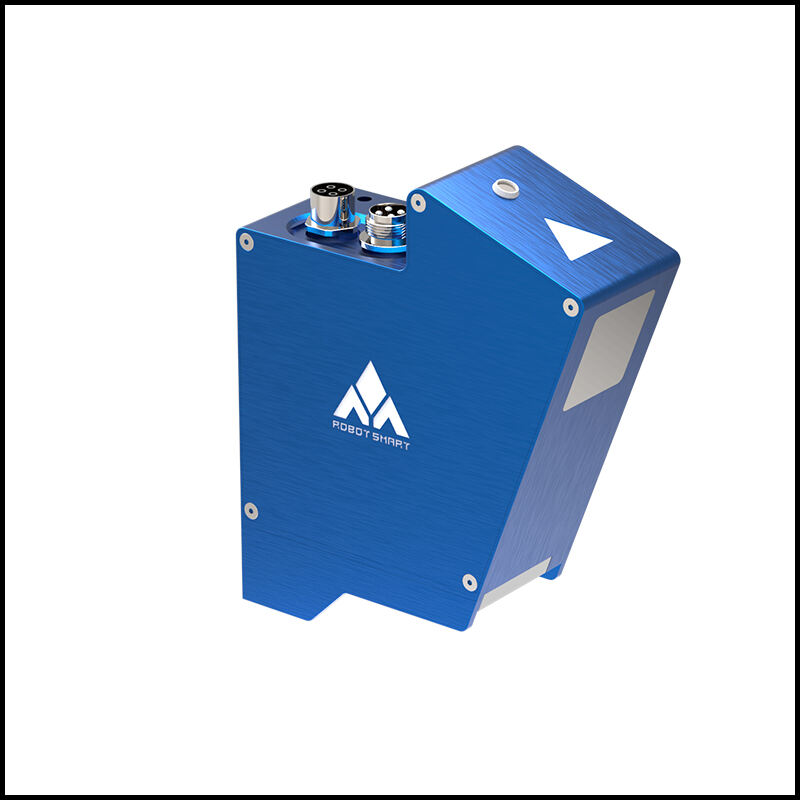
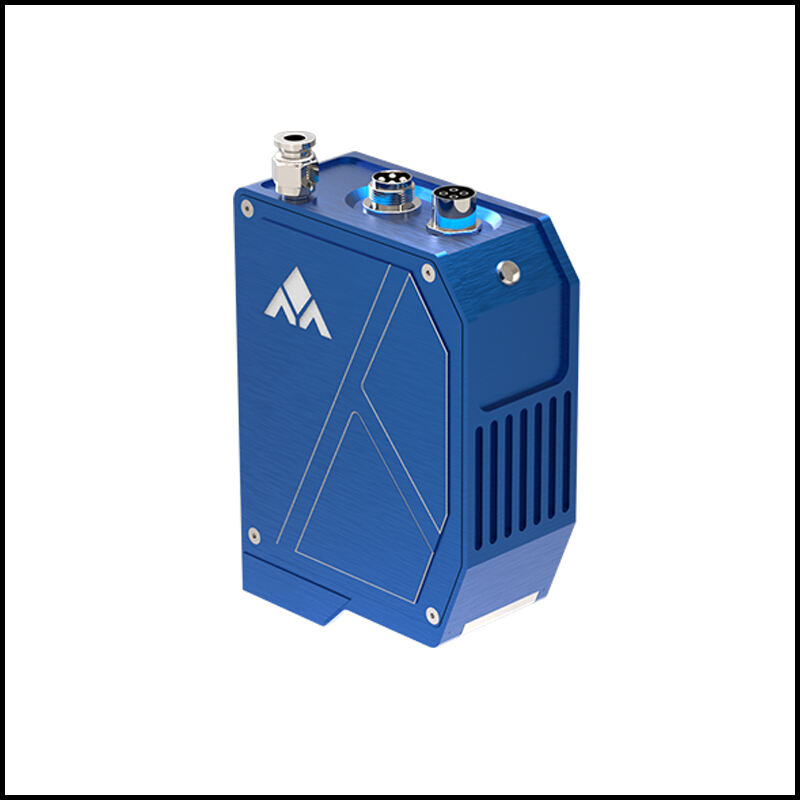
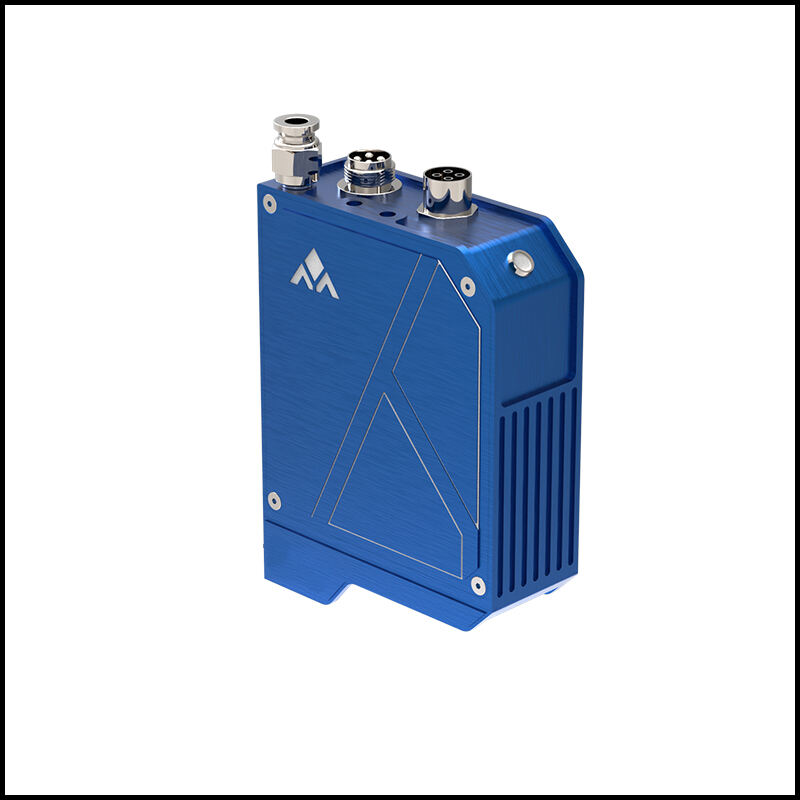
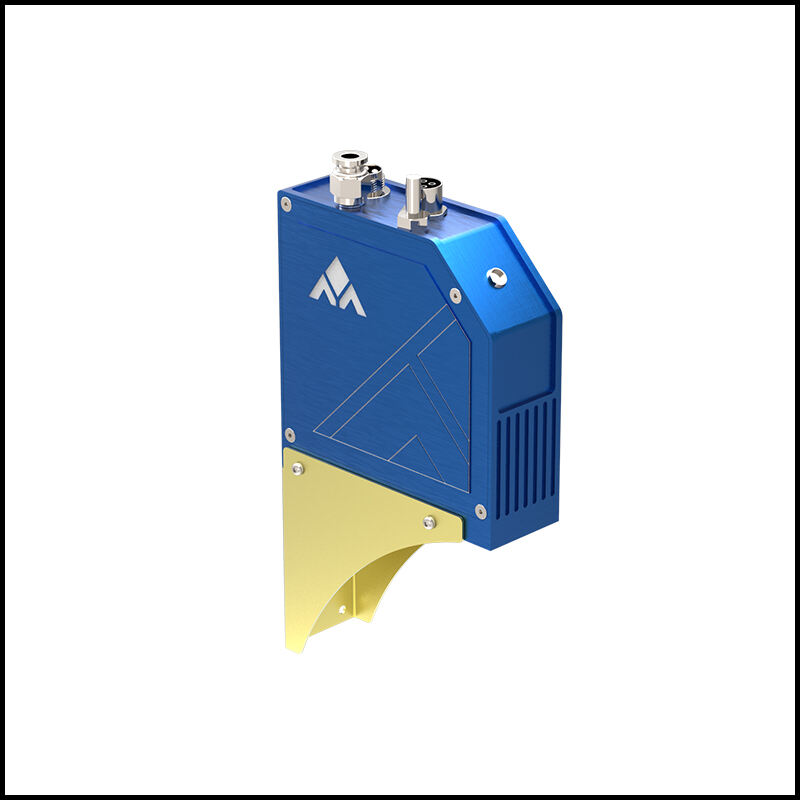
Adopting the function of finding and tracking, scanning the weld seam, confirming the position and information of the weld seam, correcting the position of the weld seam between the 3D digital model drawing and the actual workpiece, and solving the problem of bias weld due to the error of incoming materials and thermal deformation.
Fast, accurate, completely No-Programming, high efficiency and high precision. It solves the complicated teaching process of traditional robots and saves the downtime of teaching process.
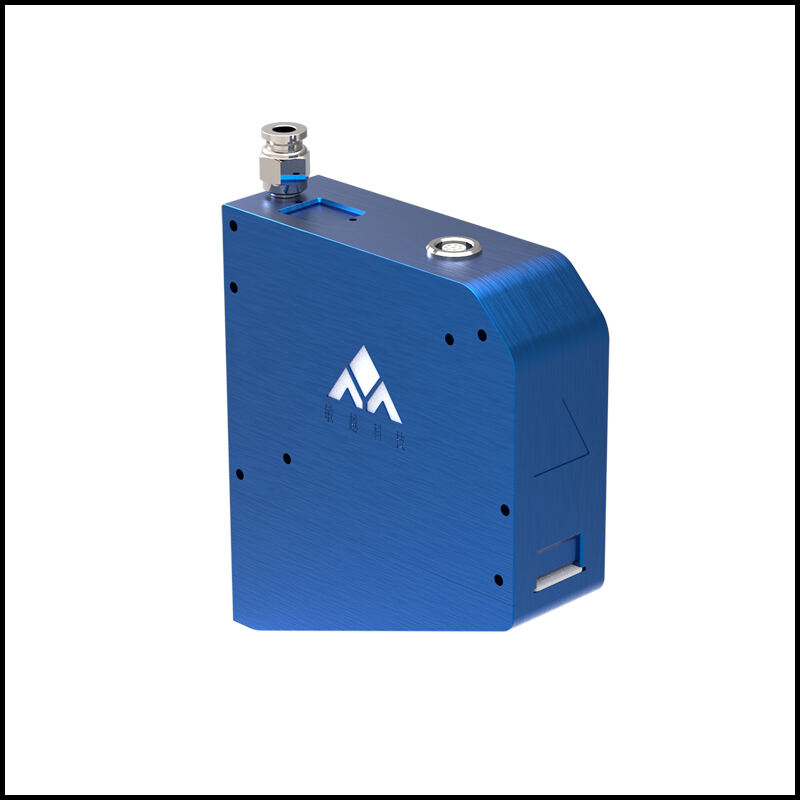
Beijing Minyue Technology Co.,LTD,as the world's leading high-tech enterprise of non-teaching intelligent application of industrial robots.We specialize in flexible intelligent manufacturing with our self-developed RobotSmart - Intelligent Decision Making System, SmartVision - Binocular Structured Light Vision System, and SmartEye - Laser Vsion Seam Tracking System. Provide a new generation of intelligent robot welding and cutting solutions.
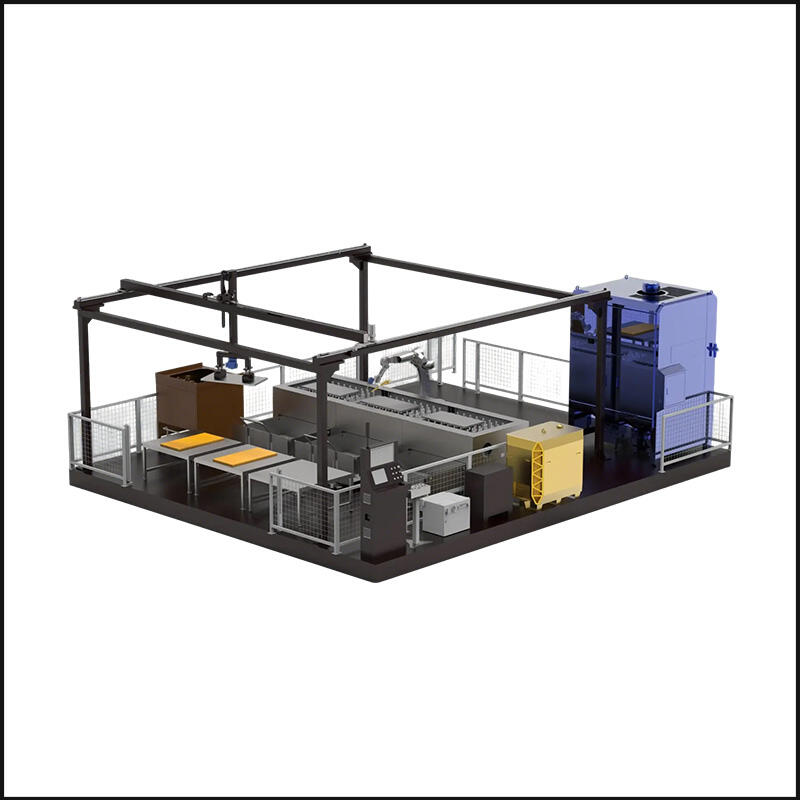
Provide powerful welding robot front loading, side loading, inverted loading, gantry mounting, intelligent trajectory planning for multiple robots, multiple external axes, and positioner for cooperative work. Realize robot motion simulation, collision detection, singularity avoidance and axis limit detection.
 EN
EN
 AR
AR
 HR
HR
 NL
NL
 FR
FR
 DE
DE
 EL
EL
 HI
HI
 IT
IT
 JA
JA
 KO
KO
 PT
PT
 RO
RO
 RU
RU
 ES
ES
 TL
TL
 IW
IW
 ID
ID
 LV
LV
 LT
LT
 SR
SR
 SK
SK
 UK
UK
 VI
VI
 GL
GL
 HU
HU
 TH
TH
 TR
TR
 FA
FA
 AF
AF
 MS
MS
 MK
MK
 HY
HY
 AZ
AZ
 KA
KA
 UR
UR
 BN
BN
 LA
LA
 MN
MN
 KK
KK