Welding is something that humans have done for centuries to connect things together. Earlier, a lot of time and backbreaking effort used to go into manual welding. With the developments in technology such as gantry welding robots, welding has become much easier and quicker nowadays.
How Gantry Welding Robots Work? Gantry welding is a distinctive kind of industrial process of welding yielding high-grade welds at maximum efficiency in economic terms. Available for sale, MINYUE welding robots can be offered in different shapes, sizes, and configurations with specialization in gantry welding operations of different nature. Gantry welding robots can be made to achieve maximum flexibility as well as scalability, rendering them highly appropriate to operate across diversified industrial conditions.
They can be pre-programmed to carry out numerous welding operations, such as arc welding, TIG welding, and MIG welding. MINYUE welding robots for sale can also be equipped with any number of welding torches, enabling them to fit almost any welding use. Another of the great benefits of gantry welding is that the operation can be incorporated into current manufacturing lines very easily. Gantry welding robots may be integrated with other pieces of industrial equipment to form an entirely automated production line, cutting down on labor costs while enhancing efficiency and productivity.
Another benefit of gantry welding robots is their high efficiency. This allows them to work quickly and get a lot of welding done in a short time. That's beneficial for businesses who have to manufacture huge quantities of products within a small time frame and who wish to cut down on time and cost.
It is a production process in which an assembly lines is similar to an assembly line in a factory. Gantry welding robots can assist production lines to operate more efficiently. The robots can work at speed, thus enabling them to perform a lot of welding within a short amount of time.
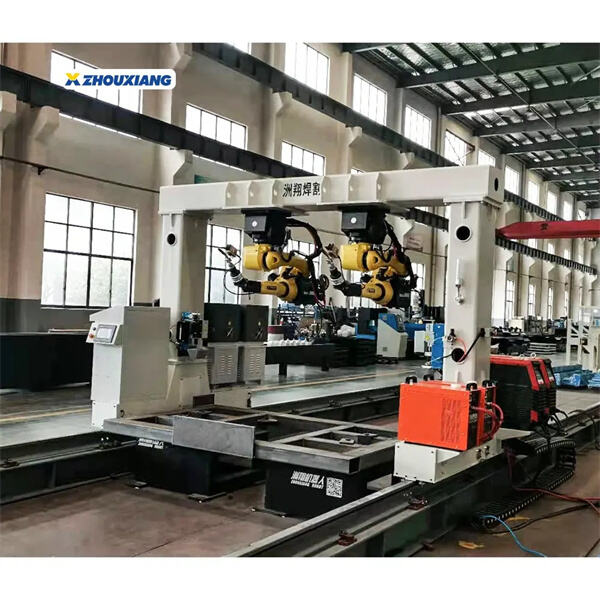
Businesses can do things faster and more precisely using gantry welding robots. That is to say, they can make more products in less time, which is a business advantage. MINYUE automated welding robot also saves businesses money since they don't need to pay as many individuals to do the welding manually.
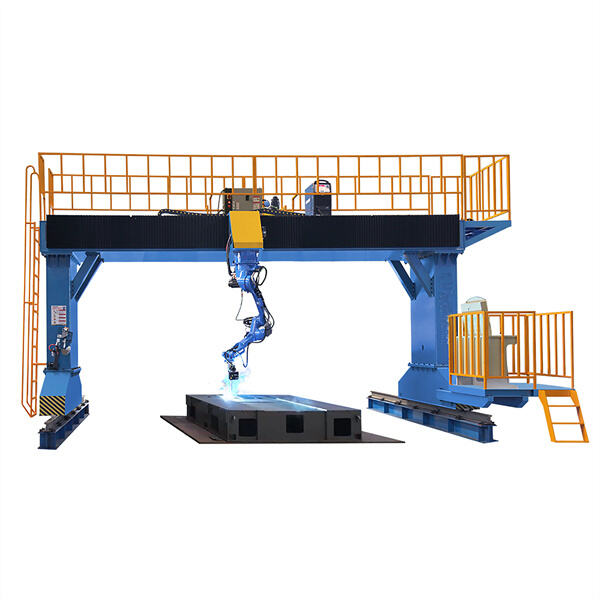
Nowadays, gantry welding robots are the key component of various industries, from automobiles to electronics. Their path has revolutionized manufacturing and enhanced several processes. Robots have turned into engineers: With these MINYUE automatic welding robot, businesses produce products quicker, smarter, and more economically than ever before.
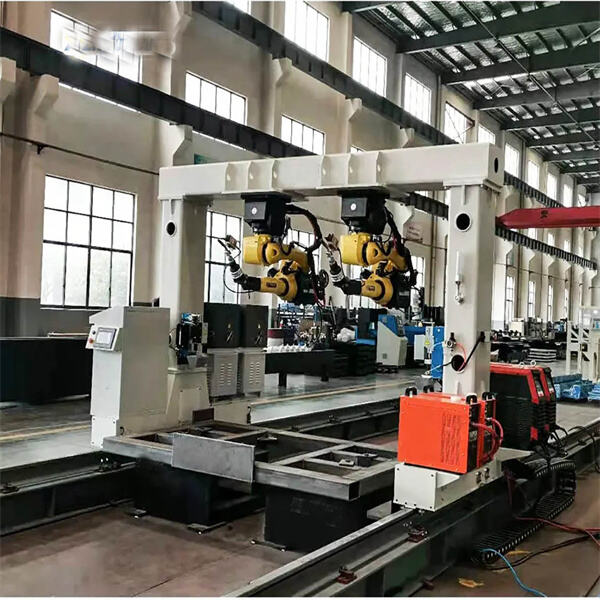
Some high-end gantry welding robots have various sensors and cameras that monitor the welding process in real-time. This enables any problems to be corrected immediately before they become larger issues. MINYUE industrial welding robot simplifies welding and ensures that things are done well every time.
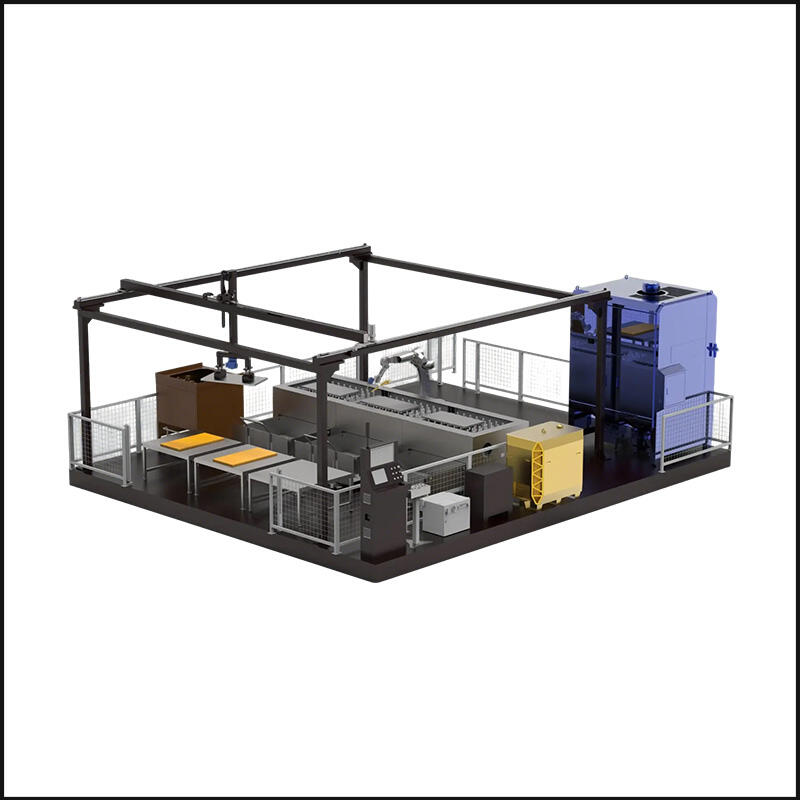
Provide powerful welding robot front loading, side loading, inverted loading, gantry mounting, intelligent trajectory planning for multiple robots, multiple external axes, and positioner for cooperative work. Realize robot motion simulation, collision detection, singularity avoidance and axis limit detection.
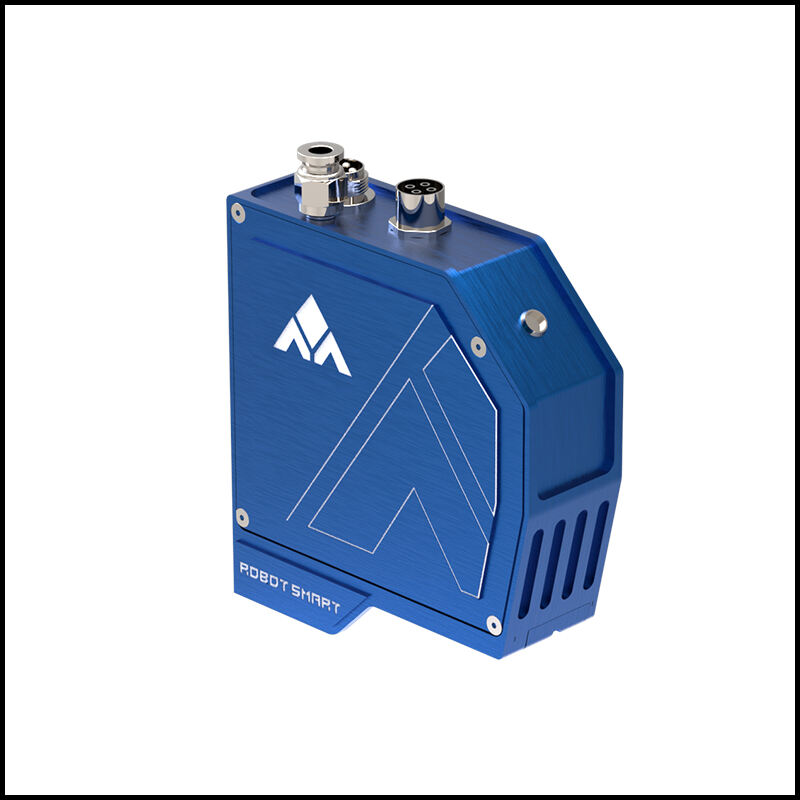
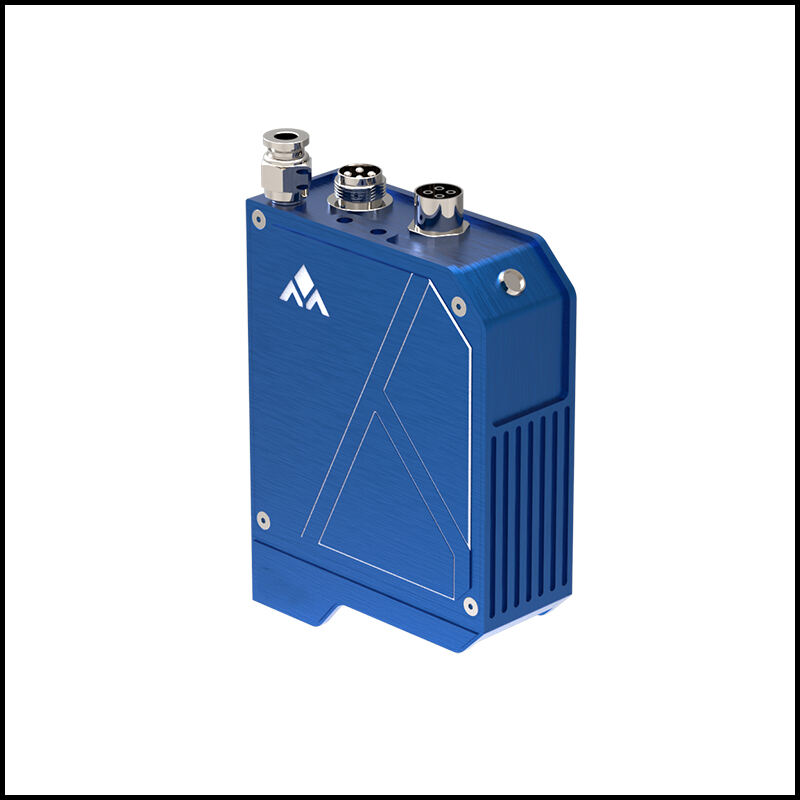
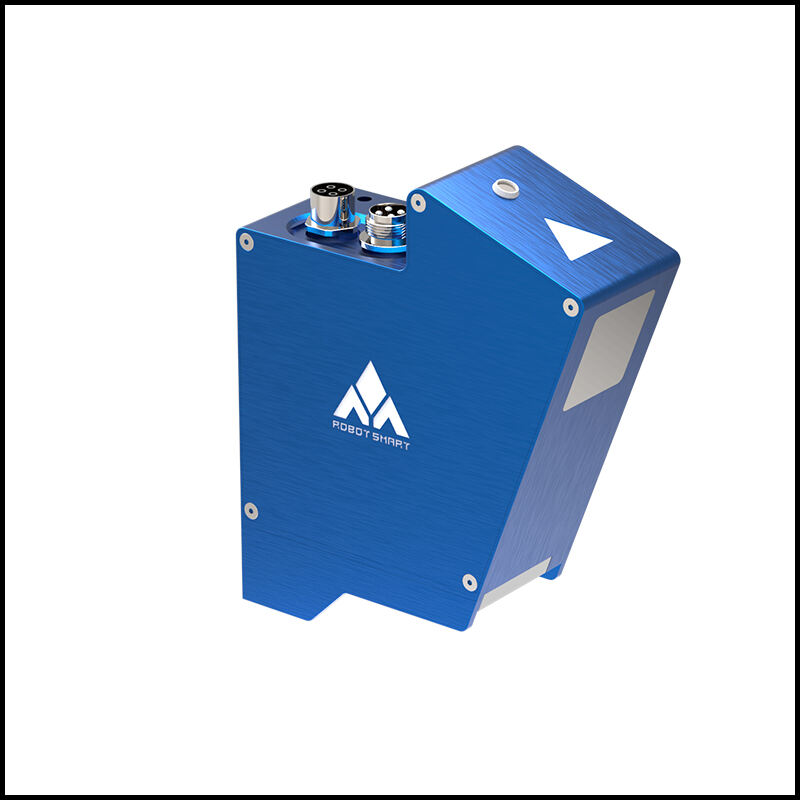
Beijing Minyue Technology Co.,LTD,as the world's leading high-tech enterprise of non-teaching intelligent application of industrial robots.We specialize in flexible intelligent manufacturing with our self-developed RobotSmart - Intelligent Decision Making System, SmartVision - Binocular Structured Light Vision System, and SmartEye - Laser Vsion Seam Tracking System. Provide a new generation of intelligent robot welding and cutting solutions.
Fast, accurate, completely No-Programming, high efficiency and high precision. It solves the complicated teaching process of traditional robots and saves the downtime of teaching process.
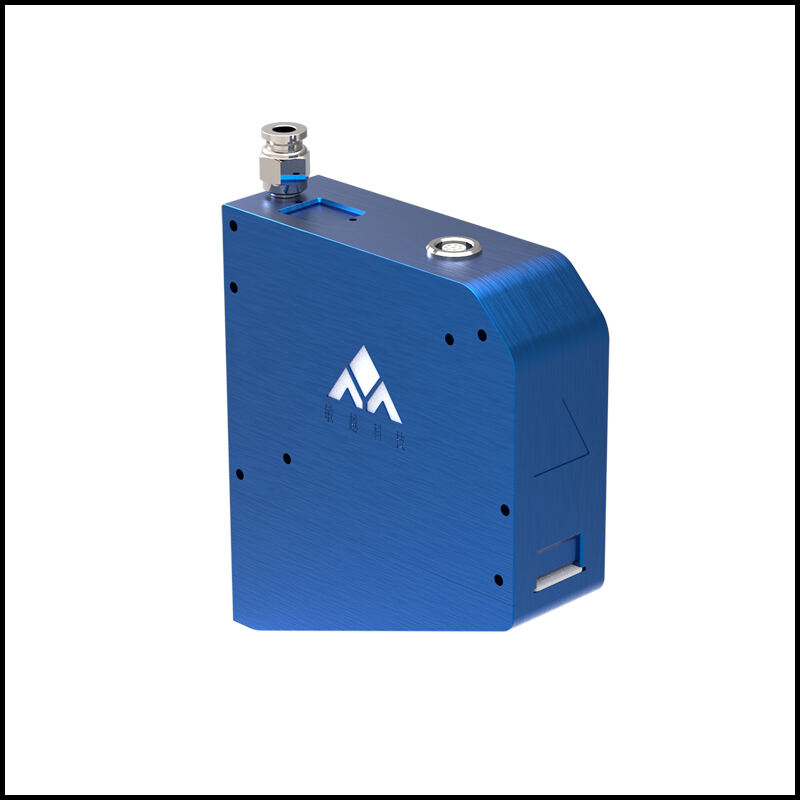
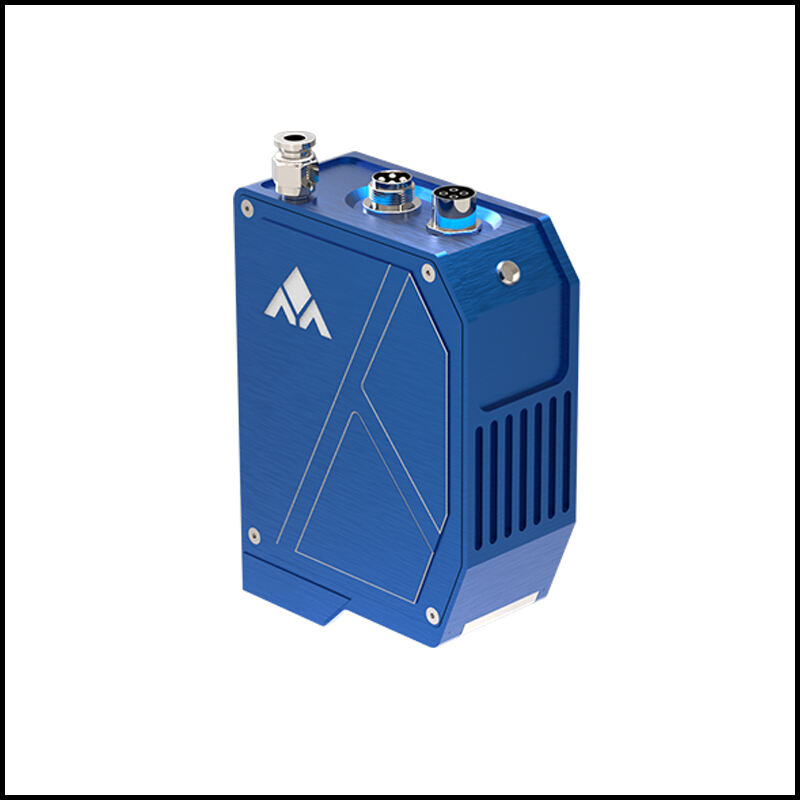
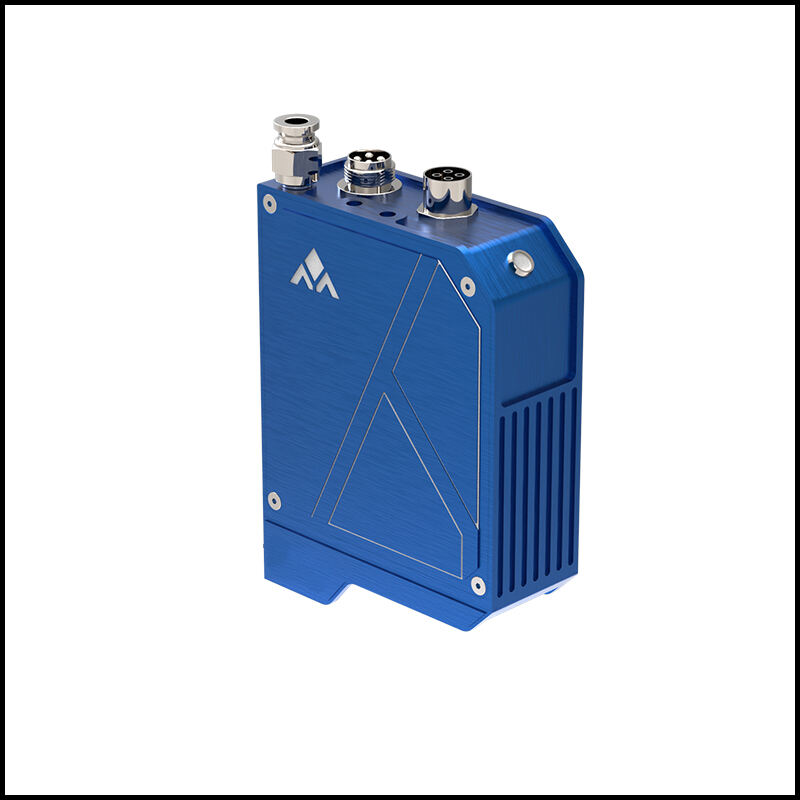
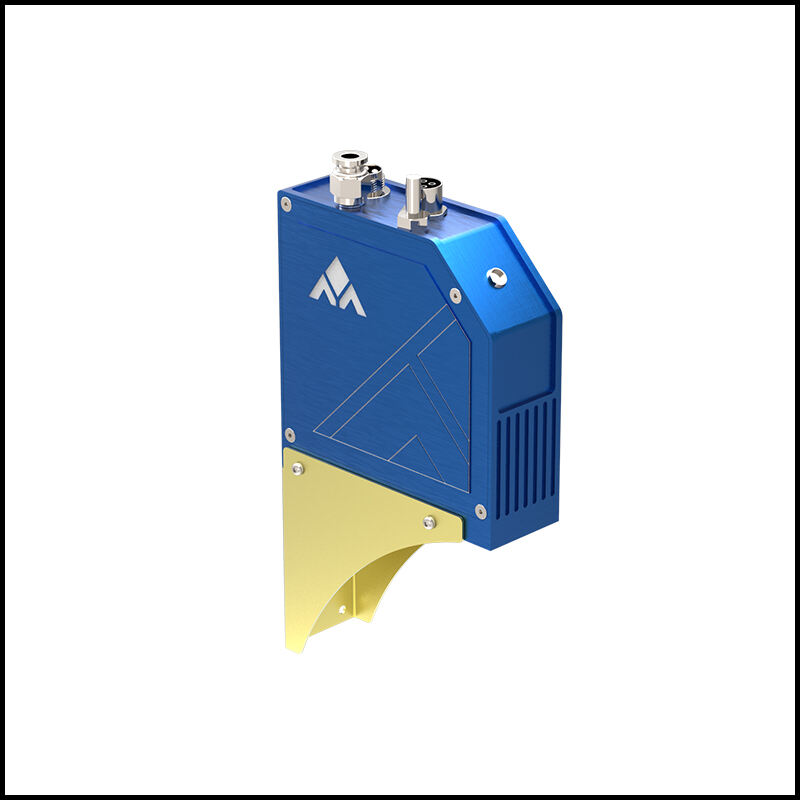
Adopting the function of finding and tracking, scanning the weld seam, confirming the position and information of the weld seam, correcting the position of the weld seam between the 3D digital model drawing and the actual workpiece, and solving the problem of bias weld due to the error of incoming materials and thermal deformation.
 EN
EN
 AR
AR
 HR
HR
 NL
NL
 FR
FR
 DE
DE
 EL
EL
 HI
HI
 IT
IT
 JA
JA
 KO
KO
 PT
PT
 RO
RO
 RU
RU
 ES
ES
 TL
TL
 IW
IW
 ID
ID
 LV
LV
 LT
LT
 SR
SR
 SK
SK
 UK
UK
 VI
VI
 GL
GL
 HU
HU
 TH
TH
 TR
TR
 FA
FA
 AF
AF
 MS
MS
 MK
MK
 HY
HY
 AZ
AZ
 KA
KA
 UR
UR
 BN
BN
 LA
LA
 MN
MN
 KK
KK